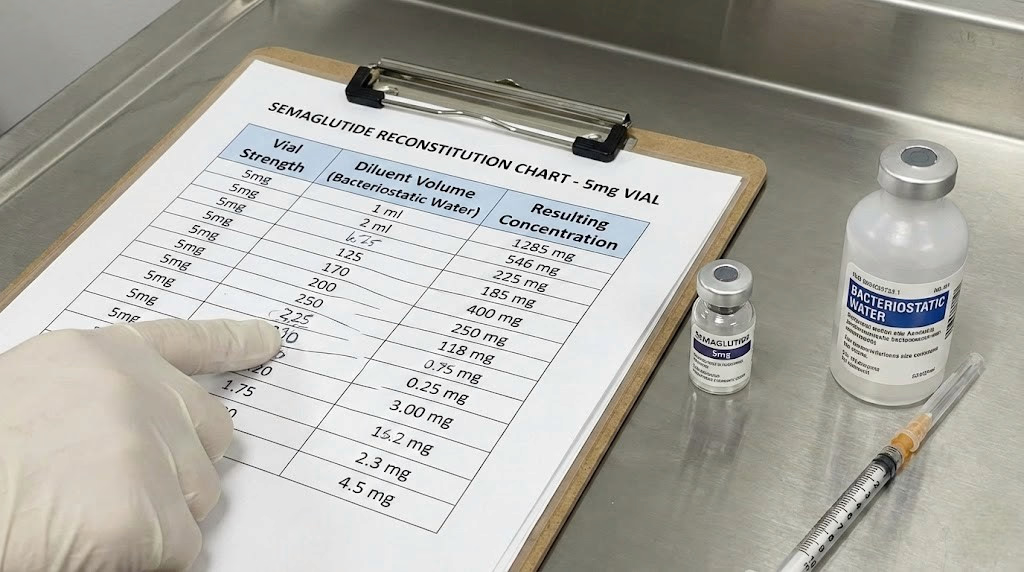
how to reconstitute 5mg semaglutide
Introduction
Semaglutide has become one of the most widely used medications for weight management and type 2 diabetes. In some cases, particularly when using compounded semaglutide, the medication arrives as a freeze-dried powder that must be reconstituted before use. If you’re wondering how to reconstitute 5mg semaglutide safely and correctly, understanding the process is essential to ensure accurate dosing and maintain the medication’s effectiveness.
This guide explains what reconstitution means, the supplies you’ll need, and the general steps involved. Always follow the instructions provided by your healthcare provider or pharmacy, as concentrations and preparation methods can vary depending on the product.
What Does Reconstituting Semaglutide Mean?
Reconstitution is the process of mixing a powdered medication with a sterile liquid, typically bacteriostatic water, to create a solution that can be injected. The goal is to dissolve the powder completely without damaging the medication or introducing contamination.
Not all semaglutide products require reconstitution. Brand-name products usually come in prefilled injection pens, while some compounded versions may require mixing before use.
Supplies Needed to Reconstitute 5mg Semaglutide
Before beginning, gather the following supplies:
- A 5mg vial of semaglutide powder
- Bacteriostatic water (only if instructed by your healthcare provider)
- Sterile syringe
- Alcohol prep pads
- Clean work surface
- Sharps disposal container
Always verify that all supplies are sterile and within their expiration dates before use.
Step-by-Step Instructions for Reconstituting 5mg Semaglutide
Step 1: Wash Your Hands
Wash your hands thoroughly with soap and warm water for at least 20 seconds. Dry them with a clean towel before handling any medical supplies.
Step 2: Clean the Vials
Use separate alcohol swabs to disinfect the rubber stoppers on both the semaglutide vial and the bacteriostatic water vial. Allow them to air dry completely.
Step 3: Draw the Recommended Amount of Diluent
Using a sterile syringe, withdraw the exact amount of bacteriostatic water recommended by your healthcare provider or compounding pharmacy. The volume used determines the final concentration of the medication.
Step 4: Inject the Water Slowly
Insert the needle into the semaglutide vial and slowly inject the bacteriostatic water against the inside wall of the vial rather than directly onto the powder. This helps minimize foaming and protects the medication.
Step 5: Gently Mix the Solution
After adding the water, gently swirl the vial until the powder has fully dissolved. Do not shake the vial vigorously, as this may reduce the medication’s stability.
The finished solution should appear clear and free of visible particles. If the liquid is cloudy or contains debris, do not use it.
How Much Water Should Be Added?
The amount of bacteriostatic water added depends entirely on the concentration prescribed by your healthcare provider or compounding pharmacy. Some providers use 1 mL, while others may recommend 2 mL or another volume.
Because different concentrations result in different dosing measurements, never rely on online charts or social media instructions. Always use the preparation instructions that accompany your prescription.
Proper Storage After Reconstitution
Once reconstituted, semaglutide should be stored according to your pharmacy’s instructions. In most cases:
- Keep the vial refrigerated.
- Do not freeze the medication.
- Protect it from excessive heat and direct sunlight.
- Store it securely away from children and pets.
Discard the medication if it becomes discolored, develops particles, or exceeds the recommended storage period provided by your pharmacy.
Common Mistakes to Avoid
Proper preparation helps ensure safe and accurate dosing. Avoid these common errors:
- Using tap water or non-sterile liquids instead of the recommended diluent.
- Shaking the vial aggressively.
- Guessing the amount of bacteriostatic water to use.
- Using expired supplies.
- Failing to disinfect vial stoppers before mixing.
- Injecting medication that appears cloudy or contaminated.
Taking your time during preparation helps reduce the risk of dosing errors.
Safety Tips for First-Time Users
If you’re preparing semaglutide for the first time, consider these important safety recommendations:
- Read all instructions before beginning.
- Double-check your prescribed concentration.
- Use a new sterile syringe for every injection.
- Never share syringes or medication with another person.
- Contact your healthcare provider if you are uncertain about any step of the preparation process.
If you accidentally use the wrong amount of diluent or suspect contamination, consult your pharmacist before using the medication.
Frequently Asked Questions
Can I use sterile water instead of bacteriostatic water?
Only use the diluent recommended by your healthcare provider or compounding pharmacy. Substituting another liquid without professional guidance may affect the medication’s safety or storage.
How do I know if the semaglutide has dissolved?
The solution should be clear and colorless with no visible powder or floating particles. If it remains cloudy after gentle swirling, contact your pharmacist.
Can I shake the vial?
No. Gently swirl the vial until the powder dissolves completely. Vigorous shaking may damage the medication.
How long does reconstituted semaglutide last?
Storage time depends on the specific compounded formulation and your pharmacy’s instructions. Always follow the labeled expiration date after reconstitution.
Conclusion
Learning how to reconstitute 5mg semaglutide correctly is an important part of using compounded medication safely. Proper hand hygiene, sterile equipment, careful mixing, and accurate storage all help maintain the medication’s quality and reduce the risk of contamination.
Most importantly, remember that preparation instructions can vary depending on the formulation prescribed. Never rely solely on general online guidance for dosing or mixing volumes. Instead, follow the directions provided by your healthcare provider or compounding pharmacy to ensure safe and effective treatment.